
Essential-Circuit Backup
If only certain rooms or equipment need backup power, identify those circuits early. The electrical plan must account for the connected loads and the transfer equipment serving them.
Plan safe backup power
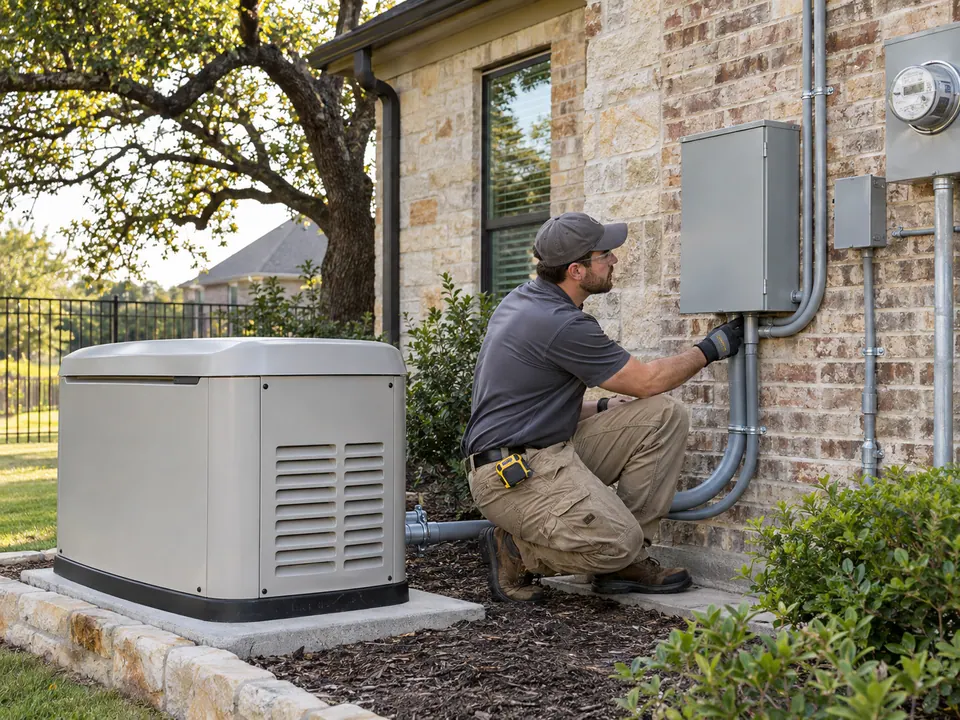
World Class Electric, LLC helps Arlington homeowners plan the electrical side of a backup generator installation. A useful plan starts with the lights and equipment you need during an outage, then checks the existing panel, generator requirements, and transfer equipment. Whether you are considering a standby unit or a connection for a compatible portable generator, call to discuss the property and the electrical work involved.
Start with your priorities
Refrigeration, selected lights, internet equipment, medical equipment, heating or cooling, and well or sump pumps can have very different electrical demands. List the devices that matter to your household and note whether they must run at the same time. This helps define the generator capacity and which circuits may be included in the backup plan.
A backup project can reveal other concerns with the existing electrical system. If the panel is damaged or several circuits already have faults, an electrical contractor serving Arlington, TX can assess those broader needs while the generator connection is planned. A generator should not be used to work around an unsafe panel or unresolved wiring problem.
Common project questions
The right scope depends on the equipment, property, and loads—not just the generator's advertised wattage.
If only certain rooms or equipment need backup power, identify those circuits early. The electrical plan must account for the connected loads and the transfer equipment serving them.
Backing up more of the home increases the load and may require choices about which large appliances can run together. Panel layout and equipment specifications matter.
A fixed standby unit typically involves an automatic transfer arrangement and a permanent electrical connection. The generator location and non-electrical installation needs must be coordinated separately.
A compatible portable unit can use a properly designed inlet and approved transfer arrangement. The generator model, output, connector, and intended circuits should be reviewed before equipment is selected.
Available space, condition, grounding, and the way circuits are arranged affect where transfer equipment can be connected. A panel change is a separate decision made after assessment.
A planned air conditioner, workshop load, or other major appliance can alter the backup-power calculation. Share expected changes before settling on generator capacity.
The safety-critical connection
Transfer equipment separates generator power from the utility supply so electricity cannot feed back onto utility lines. It also determines which circuits receive backup power and how the changeover occurs. A standby system may use automatic transfer; a compatible portable setup may use a manual arrangement. The selection must match the equipment and the property's electrical system.
Electrical scope and other work
Generator projects can involve equipment placement, a stable mounting surface, fuel supply for a standby unit, utility coordination, and applicable permits or inspections in addition to electrical connections. Confirm who is responsible for each part before installation is scheduled. The generator manufacturer and the local authority set requirements that depend on the selected unit and site.
Backup power addresses an outage; whole-home surge protection addresses certain voltage spikes while power is present or returning. These systems solve different problems and should not be treated as substitutes for each other.
How the project begins
Bring the generator details if you already have a unit, or start with what needs power.
Identify the appliances, lights, and equipment you want during an outage, including large loads that may start or run together.
Examine the panel, circuit arrangement, generator specifications, proposed location, and transfer options relevant to the property.
Clarify the electrical work, other trades' responsibilities, approvals, and testing needed before the backup setup is used.
Scope and pricing
The generator type and capacity, number of circuits backed up, transfer equipment, panel condition, wiring distance, and site access shape the electrical scope. A standby system may also need fuel-line and placement work by other specialists. Ask which equipment, electrical connections, approvals, and non-electrical work are included in any proposed estimate.
Service areas
Call with the property address and the loads you want to keep running.
View all service areas →Helpful answers
Size depends on the equipment you want to run, including starting and simultaneous loads. Make a list of essential circuits and appliance specifications so the electrical demand can be assessed.
A generator connected to home wiring needs an appropriate transfer arrangement to isolate it from utility power. The exact equipment depends on the generator and electrical system.
No. Backfeeding through a household outlet is dangerous. A qualified electrician should design the proper inlet and transfer connection for a compatible generator.
Possibly, with a compatible generator and a properly installed inlet and transfer arrangement. The selected circuits and generator output must be evaluated first.
Not always. Coverage depends on generator capacity, transfer equipment, and the home's loads. An automatic changeover does not mean every appliance can run at once.
Not every generator project needs one. The panel's condition, configuration, and proposed transfer connection need review before a panel change is recommended.
Fuel supply and site preparation are separate from the electrical connection and may require other qualified specialists. Confirm the complete scope and each party's responsibility before scheduling.
No. A generator supplies backup electricity during an outage. Surge protection is intended to limit certain voltage spikes. One does not replace the other.