
Range or Induction Cooktop
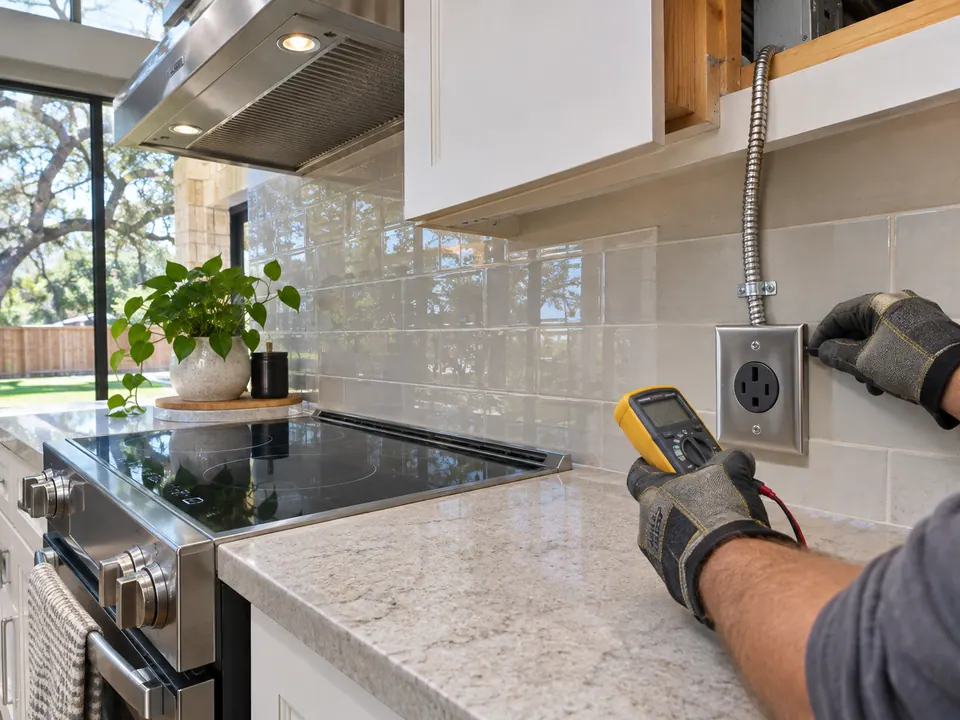
Switching from gas or replacing an electric range can reveal that the current kitchen supply does not match the new appliance. The model instructions and existing connection need to be checked before installation.
Power for specific equipment
World Class Electric, LLC helps Arlington homeowners and businesses add electrical power for equipment that needs a circuit of its own. A new induction range, dryer, water heater, air conditioner, or workshop machine may call for a different connection than the outlet already in place. Share the equipment model and installation location when you call so an electrician can assess the circuit, panel, and wiring route.
The basic idea
A dedicated circuit supplies a particular piece of equipment instead of sharing its breaker and wiring with general-use outlets or other loads. It runs from the electrical panel to a suitable receptacle, disconnect, or hardwired connection at the equipment location. The breaker, conductors, connection, and required protection are chosen for the actual equipment and installation.
An outlet that happens to fit a plug does not prove the circuit behind it is suitable. The equipment label and installation instructions, the available panel capacity, and the route between panel and equipment all matter before a new connection is selected.
Common requests
These are different electrical jobs; the equipment specifications decide the final circuit design.
Switching from gas or replacing an electric range can reveal that the current kitchen supply does not match the new appliance. The model instructions and existing connection need to be checked before installation.
A new dryer may require a different receptacle or a properly grounded circuit. Changing the visible outlet alone cannot make unsuitable wiring safe for the appliance.
Electric water heaters, air-conditioning equipment, and mini-splits have model-specific electrical requirements. Their supply and disconnect arrangement should match the installed unit.
A compressor, welder, or other high-demand machine may need its own circuit near the work area. Share the nameplate rating and where the tool will be used.
Some commercial appliances and equipment need separate power to support their operating load. The property supply and the equipment instructions shape the work.
Choose the right job
A dedicated circuit is a planned addition for a specific load. It should follow an assessment of the equipment and the existing supply, especially if a breaker has been tripping.
A new appliance may need more power or a different voltage than the current branch circuit provides. The solution may involve a new run from the panel, not merely changing the receptacle face.
If a breaker trips when equipment runs together, the load and circuit condition need diagnosis first. A new circuit can separate a suitable load when sharing is the real issue; a damaged device or wiring fault requires a different repair.
Supplying an entire detached workshop involves a building-wide plan. Power for a detached garage or shed must account for the route to the structure and all the circuits needed inside, not only one machine.
What affects the scope
The right circuit is based on the equipment and property, not a standard number assigned to every appliance type.
Provide the make and model, voltage, current or wattage, plug configuration, and installation manual if available. A hardwired unit and a plug-in unit may need different connections.
The electrician checks the existing loads and available panel arrangement. If the service cannot support the planned equipment, an upgrade to the electrical service may be considered as a separate part of the project.
The panel location, finished walls, attic or crawlspace access, and distance to the equipment affect routing, materials, and the work needed to reach the final connection.
The location and equipment determine the appropriate breaker, grounding, ground-fault or arc-fault protection, receptacle or disconnect, and any applicable permit or inspection. Confirm the project-specific scope before work begins.
A clear start
The equipment requirements and existing electrical system guide the plan.
Share the model, electrical rating, installation location, and whether an outlet or circuit already serves that spot.
An electrician assesses panel capacity, routing, connection type, and protection before proposing the new circuit.
Review the connection location, materials, access, permits if applicable, and proposed price before installation.
Service areas
Call about a new circuit for your home or business in Arlington or another community we serve.
View all service areas →Helpful answers
Check the equipment details before deciding whether an existing connection will work.
Check the appliance label and installation instructions. Some equipment specifies an individual branch circuit, while other equipment may be suitable for an existing supply. An electrician can compare those requirements with the current wiring, breaker, and panel capacity.
Only if the full circuit, not just the outlet shape, matches the new appliance. Voltage, conductor arrangement, breaker, grounding, and receptacle type all matter. Have the existing supply checked before connecting equipment with different requirements.
A different receptacle does not create a suitable 240-volt circuit. Whether existing wiring can be used depends on its configuration, condition, and the equipment requirements. A new circuit from the panel may be needed.
It can help if the problem is a suitable load sharing a circuit with too many other devices. Trips can also come from a fault in equipment, wiring, or the breaker itself. The cause should be identified before adding a circuit as the remedy.
Not automatically. The panel needs an appropriate arrangement and enough available electrical capacity for the proposed load. An assessment determines whether the new circuit can be added to the existing system or if a separate panel or service project is necessary.
The price depends on the equipment, circuit requirements, distance from the panel, access through finished areas, connection type, and any panel or permit work. Share the model and installation location to help an electrician assess the job and provide a project-specific price.
Permit and inspection requirements depend on the exact work and the city's current rules. Ask which approvals apply to the proposed circuit and who will coordinate them before installation begins.
Have the equipment make and model, installation instructions or nameplate rating, the planned location, and a description of any existing outlet. Mention whether a breaker has been tripping and whether you know where the electrical panel is located.