
No Panel Protector
Plug-in surge protectors cover only connected equipment. A panel device adds protection for the electrical system and hardwired equipment.
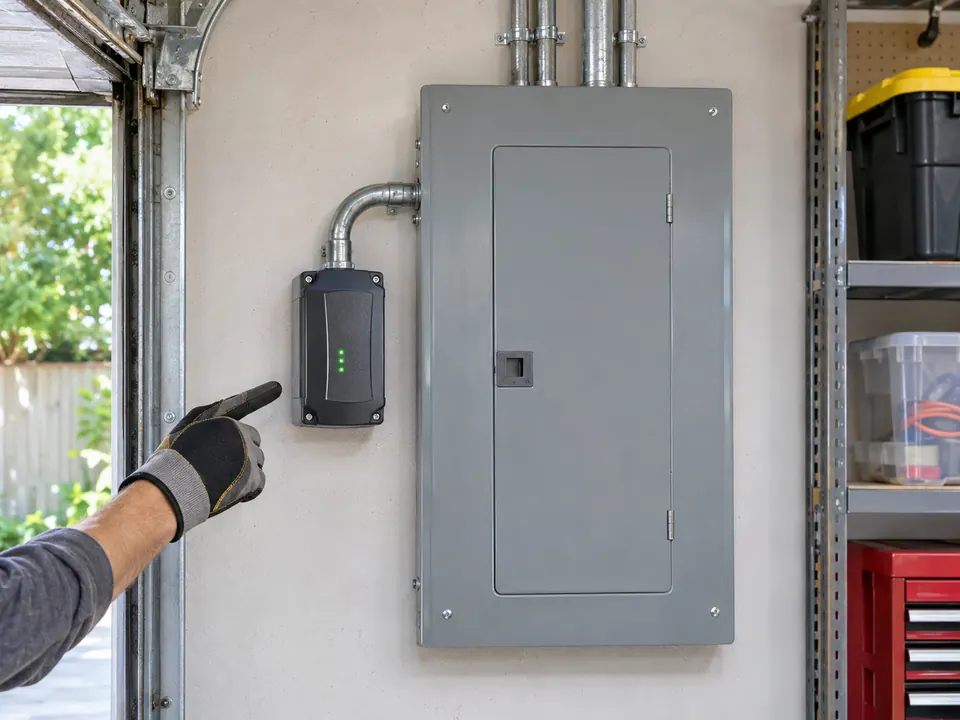
Protection at the electrical panel
World Class Electric, LLC helps Arlington homeowners add surge protection at the electrical panel. A properly selected surge protective device can reduce the voltage spikes that reach home circuits and equipment, including hardwired appliances that a plug-in strip cannot cover. An electrician can assess the panel, grounding, and device location before installation. If you already have a protector with a warning or failed indicator, call to have it evaluated.
What this protection does
A surge is a brief rise in voltage. It can come from activity inside a home as equipment switches on and off, or from outside events such as utility switching and storms. A panel-mounted surge protective device is one layer of protection for circuits throughout the house. It reduces risk; it cannot guarantee that every appliance survives every event, especially a direct lightning strike.
Surge protection does not correct a loose connection, a breaker that keeps tripping, or a room that has lost power. If those faults accompany plans for other electrical work, an electrical contractor serving Arlington can assess the wider system before a protection device is selected. Treating a persistent fault as an installation-only project can leave the actual problem in place.
When homeowners ask about it
The panel and any existing device determine the appropriate scope.
Plug-in surge protectors cover only connected equipment. A panel device adds protection for the electrical system and hardwired equipment.
A new HVAC system, smart-home setup, or home office can make the limits of your current protection more important to understand.
Some devices show their status with a light or window. If its indicator changes, check the model instructions and have the unit assessed.
Visible damage, an alert, or failed electronics deserves attention. The protector may need replacement, but the affected circuit may also need diagnosis.
Planned electrical work is an opportunity to check whether a compatible surge device is present and how the new work will be protected.
A home with a main panel and subpanels may need a different placement decision from a home with one panel. The configuration should be reviewed on site.
Know the difference
A panel-level device helps limit surges entering the home's circuits. A listed point-of-use protector adds a layer at the equipment plugged into it. An ordinary power strip that only adds outlets may offer no surge protection at all.
Layering can be useful for computers and other sensitive electronics. Neither layer is a substitute for sound wiring or safe use of outlets, and neither makes a direct lightning strike harmless. Check the product label and indicator rather than assuming every multi-outlet strip protects against surges.
Addresses the wider electrical system and hardwired equipment.
Adds protection for the particular devices connected to a listed surge strip.
Provides extra receptacles, but surge protection depends on the actual product.
Before installation
Device type and placement depend on the existing service equipment. An assessment is especially useful when the panel is older, crowded, or already has a protector.
The panel design, available connection method, and the protective device's instructions determine what can be installed safely. A surge protector does not increase panel capacity.
The grounding and bonding arrangement and the device's connection path matter to performance. Work inside the panel belongs to a qualified electrician.
Type 1 and Type 2 devices are installed at different points in the electrical system. The electrician selects a listed device suitable for the service and its mounting location.
Many products have a status indicator. Ask how to read the selected model's indicator and what to do if it later changes.
After a suspected surge
A protector can lose its protective function after a significant event without leaving an obvious problem elsewhere in the house. The meaning of a light or alarm depends on the model. Do not open the panel or replace a device based only on a guess; note the model and visible status for an electrician.
If you also see heat, damage, or repeated tripping at the panel, assessment of the existing panel should come before a new surge device is treated as the answer. Stop using visibly damaged equipment and keep clear of a hot or sparking panel.
Planning the work
The selected device, panel compatibility, connection location, available space, and any grounding or panel repair discovered during assessment affect the work. A straightforward installation and a job requiring correction of existing electrical defects are different scopes. Ask for the device model and the work included in the price before approving installation.
How service begins
Share what is installed today and what prompted your call.
Tell us about your panel, any existing protector, its status light, and recent electrical concerns.
An electrician checks the relevant panel, connection options, grounding, and device requirements.
Review the recommended device, installation scope, and price before the work begins.
Service areas
Call about panel-level protection for a home in Arlington or another community we serve.
View all service areas →Helpful answers
Understand the device and its limits before choosing one.
It helps limit voltage spikes across the electrical system, including circuits serving hardwired equipment. It cannot prevent every kind of damage or guarantee protection from a direct lightning strike. Sensitive electronics may benefit from an additional listed point-of-use protector.
They can provide an additional layer for plugged-in electronics. Check that the product is actually labeled for surge protection; a basic power strip may only provide extra outlets.
Often, but the panel's design, condition, available connection method, and grounding need review first. Adding surge protection does not automatically require a panel upgrade.
Both are permanently connected surge protective devices. Type 1 can be installed at the service entrance, while Type 2 is commonly installed in or near a panel. The suitable choice depends on the electrical setup and device instructions.
The indicator meaning varies by model. Check its instructions and arrange an assessment if it shows a fault or no longer indicates protection. Do not open the panel to investigate it yourself.
Not automatically. Check its visible status and the manufacturer guidance. A damaged or failed device may need replacement, while any affected circuits or equipment may need separate diagnosis.
No. A breaker that trips repeatedly points to a separate issue requiring investigation. A surge protector is not a repair for an overloaded circuit, faulty breaker, or damaged wiring.
Price depends on the chosen device, panel configuration, connection work, and any existing defects that must be addressed. Ask for a quote describing the device and installation scope after the panel is assessed.