
A Circuit or Group of Devices Stops Working
Several outlets or lights on one circuit may fail together. The issue could be in a connection, device, breaker, or wiring run, so tracing the circuit matters.
Existing wiring · Homes and businesses
World Class Electric, LLC helps Arlington property owners address damaged or faulty electrical wiring. A dead circuit, damaged cable, grounding concern, or inspection finding can point to a problem in an existing run. An electrician traces the affected area and checks its connections before recommending a repair. Call with what stopped working, where the concern is, and whether other rooms are affected.
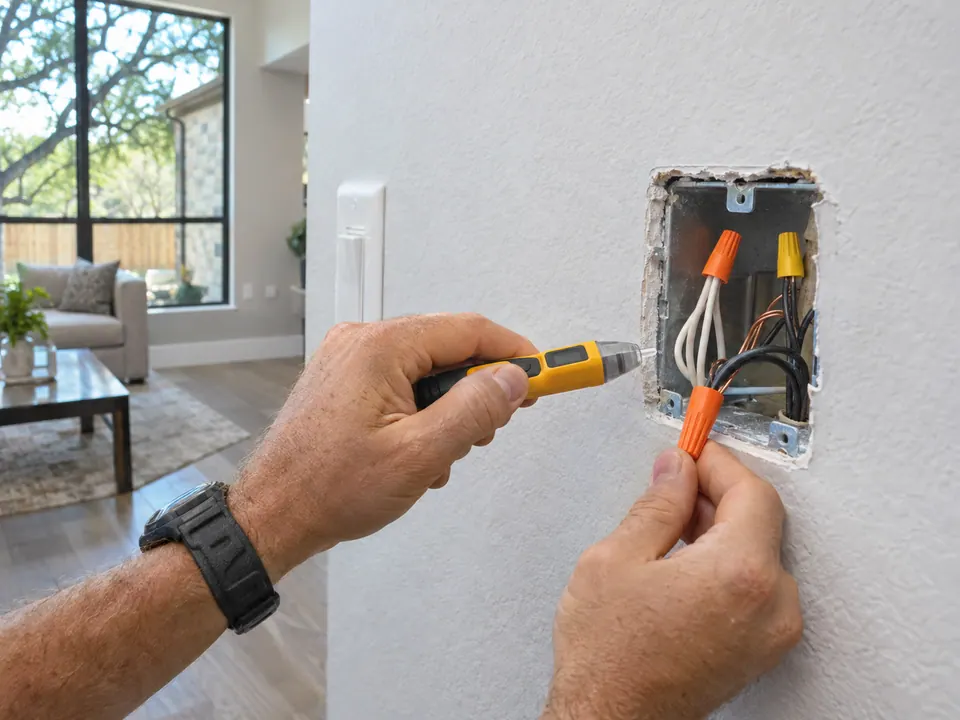
Start with the affected run
Wiring repair focuses on a fault in an existing circuit. The electrician first determines which part of the circuit is affected, then checks accessible connections and the condition of the wiring. The solution may be a localized correction or replacement of an affected run; the visible symptom alone does not establish the scope.
A light, outlet, or appliance can stop working for reasons other than wiring. The location of the failure, recent drilling or renovation, and whether several devices share the problem help narrow the assessment. When the cause is unknown, a broader electrical diagnosis can distinguish a failed device, breaker, connection, or wiring run.
A measured approach
Understand what part of the system needs attention before planning broader wiring work.
Warning signs and known damage
These clues deserve an assessment; they do not all have the same cause.
Several outlets or lights on one circuit may fail together. The issue could be in a connection, device, breaker, or wiring run, so tracing the circuit matters.
Cut, cracked, or disturbed insulation in an accessible area needs professional attention. Do not touch exposed conductors or use the affected equipment.
A screw, drill, or renovation can affect concealed wiring. Tell the electrician where work took place and what stopped functioning afterward.
Warm or discolored devices, a burning smell, unusual sounds, and persistent flicker can signal an electrical hazard. Stop using the affected circuit and call promptly.
An inspection may identify ungrounded or damaged wiring. The report and the affected circuit help determine whether an isolated correction or wider work is needed.
Choose the right scope
The work should match the condition of the existing wiring and what you need the circuit to do.
A fault confined to one accessible section may call for a focused repair or replacement of that run. The electrician checks the surrounding circuit before deciding where the work begins and ends.
When deteriorated or unsuitable wiring extends across many rooms, whole-house rewiring may be the appropriate project. One failed circuit does not by itself mean the entire property needs new wiring.
Adding a range, dryer, or other substantial load is an installation decision. A dedicated circuit for that equipment is planned around its electrical requirements and available panel capacity, rather than treated as a repair to old wiring.
While you wait for an assessment
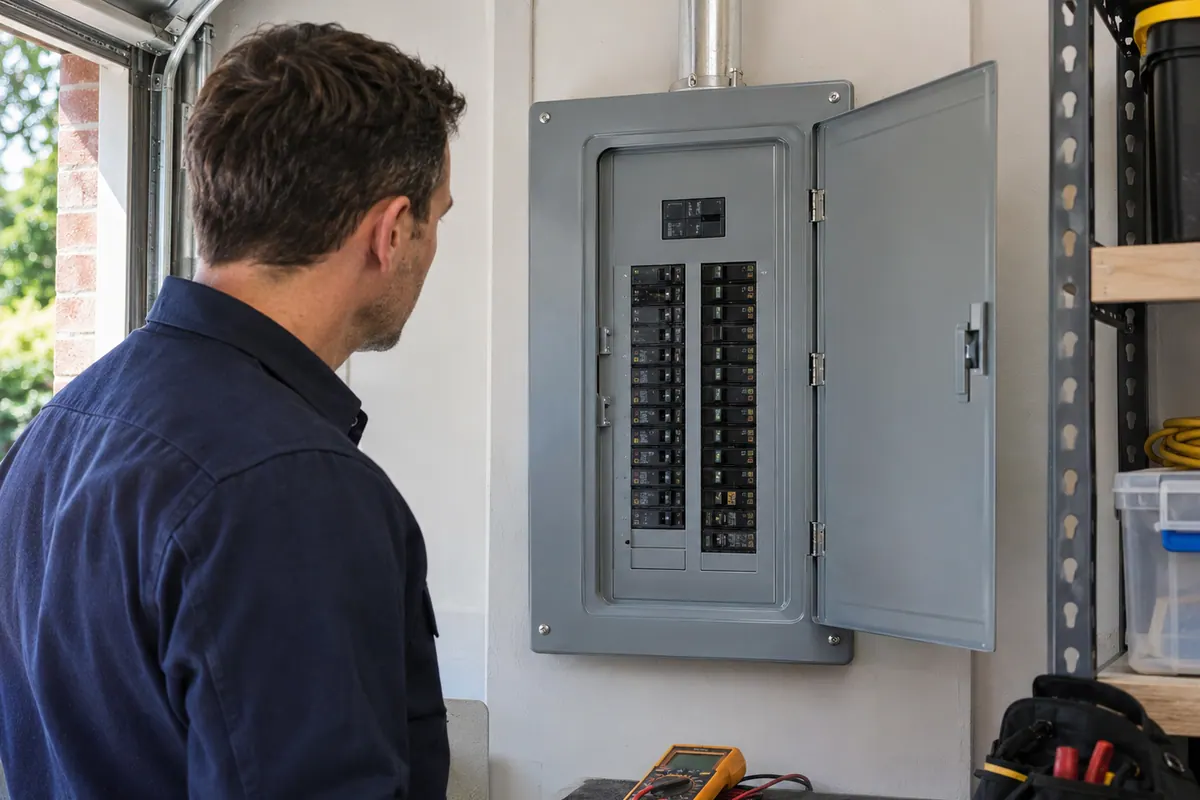
Leave a circuit unused when you see damaged insulation, smell burning, notice heat at a device, or hear buzzing. These conditions need a qualified electrician's assessment.
Note the room, device, or area where the problem began. Mention nearby remodeling, drilling, water exposure, or a recent equipment change.
If a home inspector or other professional identified a wiring concern, have the written finding available. It can help distinguish an isolated defect from a wider condition.
Do not open a panel, pull out a device, or handle exposed conductors to investigate. If you see smoke or fire, move to safety and contact emergency services.
How service starts
The first question is where the fault is, not how much wiring can be replaced.
Describe what stopped working, which areas still have power, and any known damage or inspection finding.
An electrician assesses the relevant devices, accessible connections, and wiring to identify the failed section and its cause.
Discuss what will be repaired or replaced, whether access or permits affect the job, and the price before work begins.
Service areas
Call about a known wiring problem at your home or business in Arlington or the surrounding communities we serve.
View all service areas →Helpful answers
Know what affects the repair before anyone opens a wall or replaces a circuit.
You usually cannot tell from one symptom alone. A dead outlet, flickering light, or tripping breaker may come from a device, connection, load, breaker, or wiring. An electrician can trace the affected circuit and identify the fault before recommending wiring repair.
Often, an isolated fault can be addressed without replacing wiring throughout the property, but the repair scope depends on the location, condition, and accessibility of the affected run. If similar problems appear across many circuits or rooms, a broader wiring assessment may be needed.
Stop using the affected circuit and arrange an electrical assessment. Tell the electrician where the work happened and what you noticed afterward, such as lost power, a trip, smell, or spark. Do not reach into the opening or attempt to cover the damage without locating the full affected section.
Not automatically. The electrician needs to identify the wiring type, what protection is present, and how much of the property is affected. One ungrounded outlet and widespread older wiring call for different plans. An inspection finding can help define the issue, but the repair decision requires assessment.
Yes. Several devices may share a circuit, so an open connection or damaged run can affect downstream outlets. A tripped protective device or failed receptacle may create a similar symptom. Tracing the circuit shows which component needs work.
The price depends on where the fault is, how much of the run is affected, access through finished surfaces, materials, and any permit or inspection requirements. Replacing a short accessible section and tracing a concealed fault are different jobs. Ask for a defined scope and price after assessment.
Sometimes. An accessible junction or cable may need little surface work, while a fault inside a finished wall can require access to the affected run. The electrician should explain where access is needed and whether any surface restoration is included in the proposed work.
Share the address, the rooms or devices affected, when the issue began, and whether you know of drilling, remodeling, moisture, or older wiring nearby. Mention any heat, burning smell, shock, or visible damage. If an inspector flagged the wiring, have that report ready.